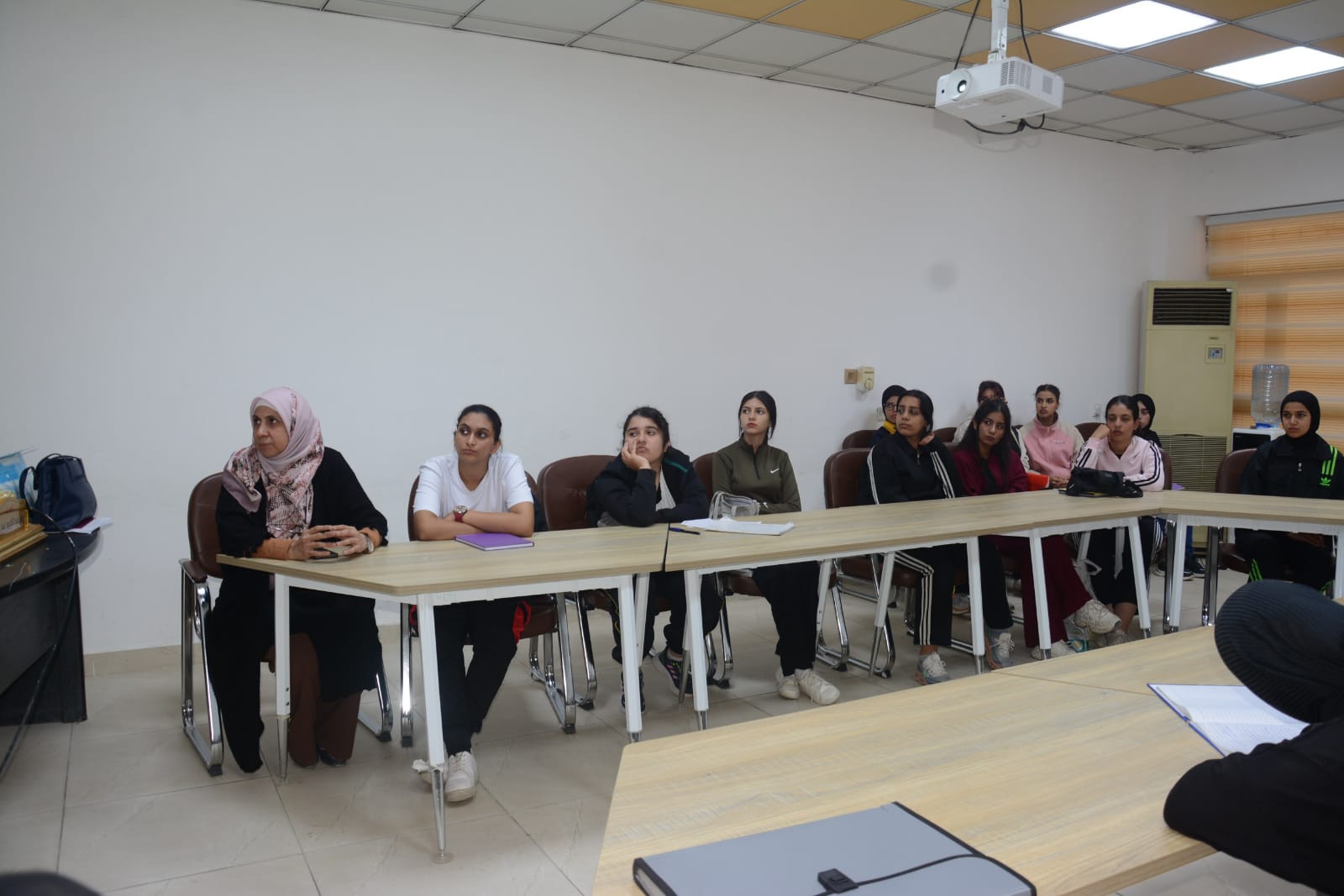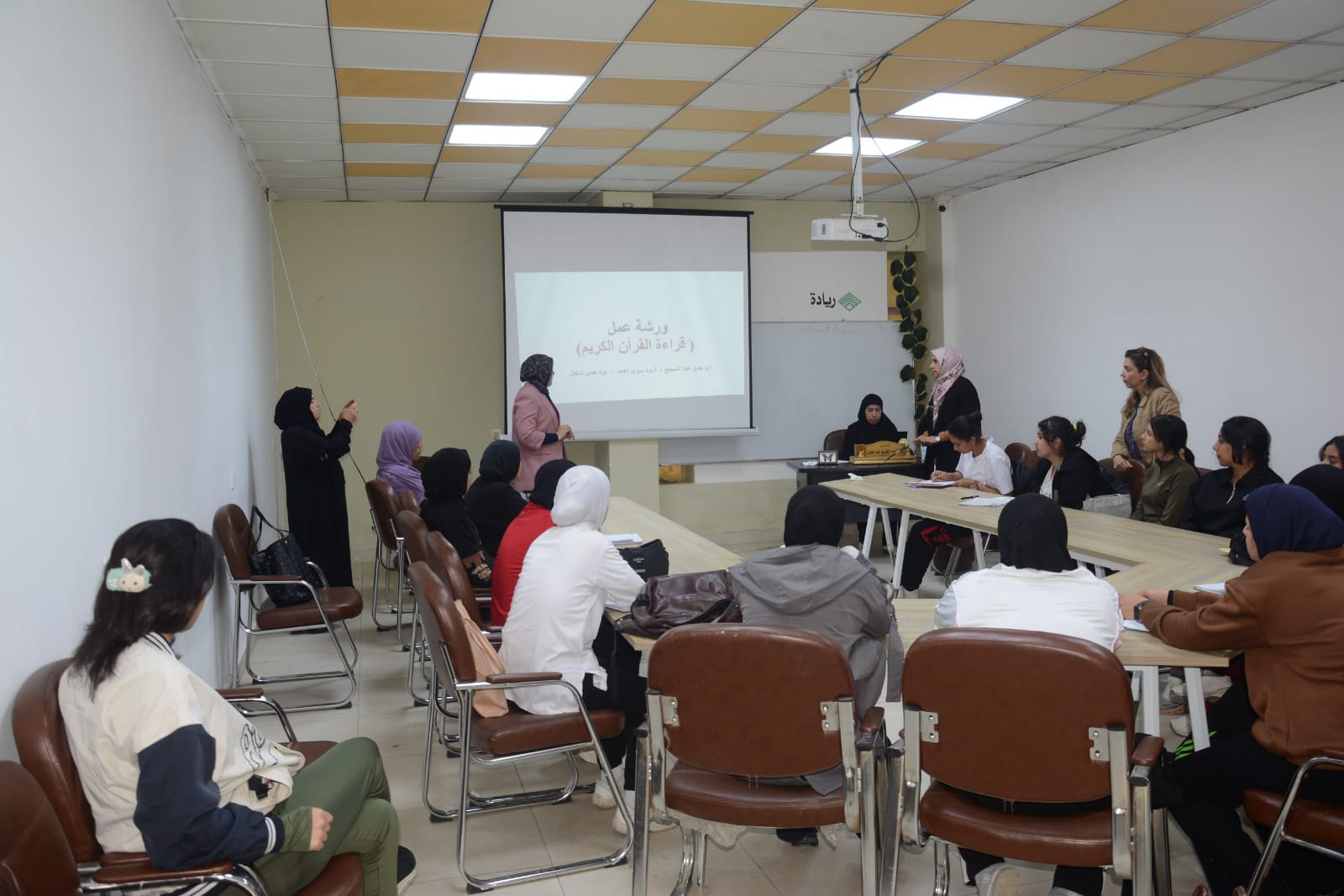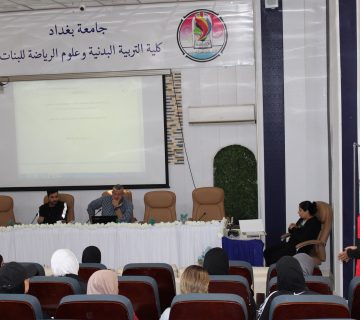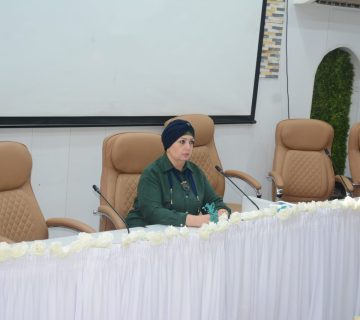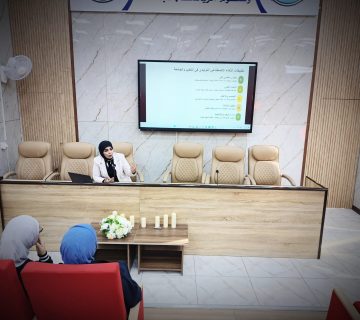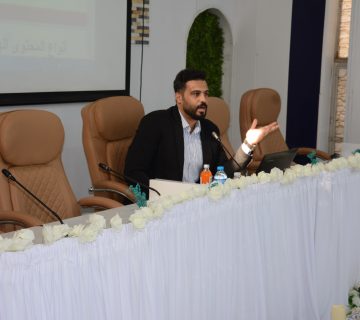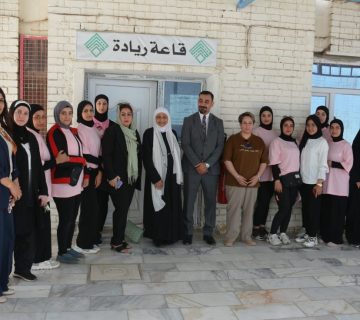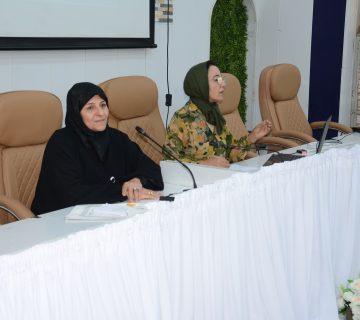

The Continuing Education Unit at the College of Physical Education and Sport Sciences for Women, University of Baghdad, organized a training course titled (Qur’an Recitation and Completing It Electronically). The course was presented by Prof. Dr. Huda Abdul Samee’, Asst. Prof. Dr. Sura Ahmed Saleh, and Lect. Dr. Huda Shamil Hussein.
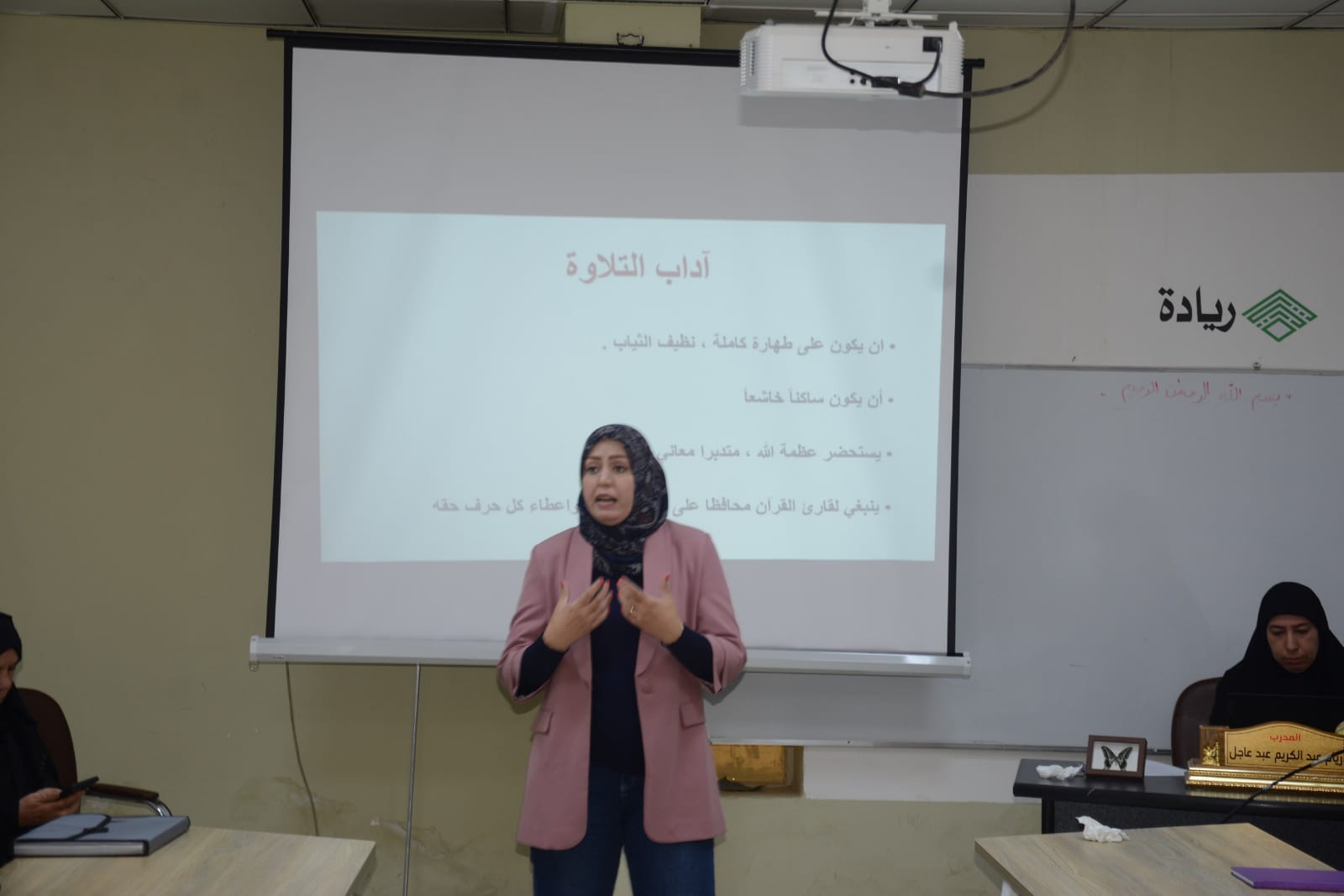
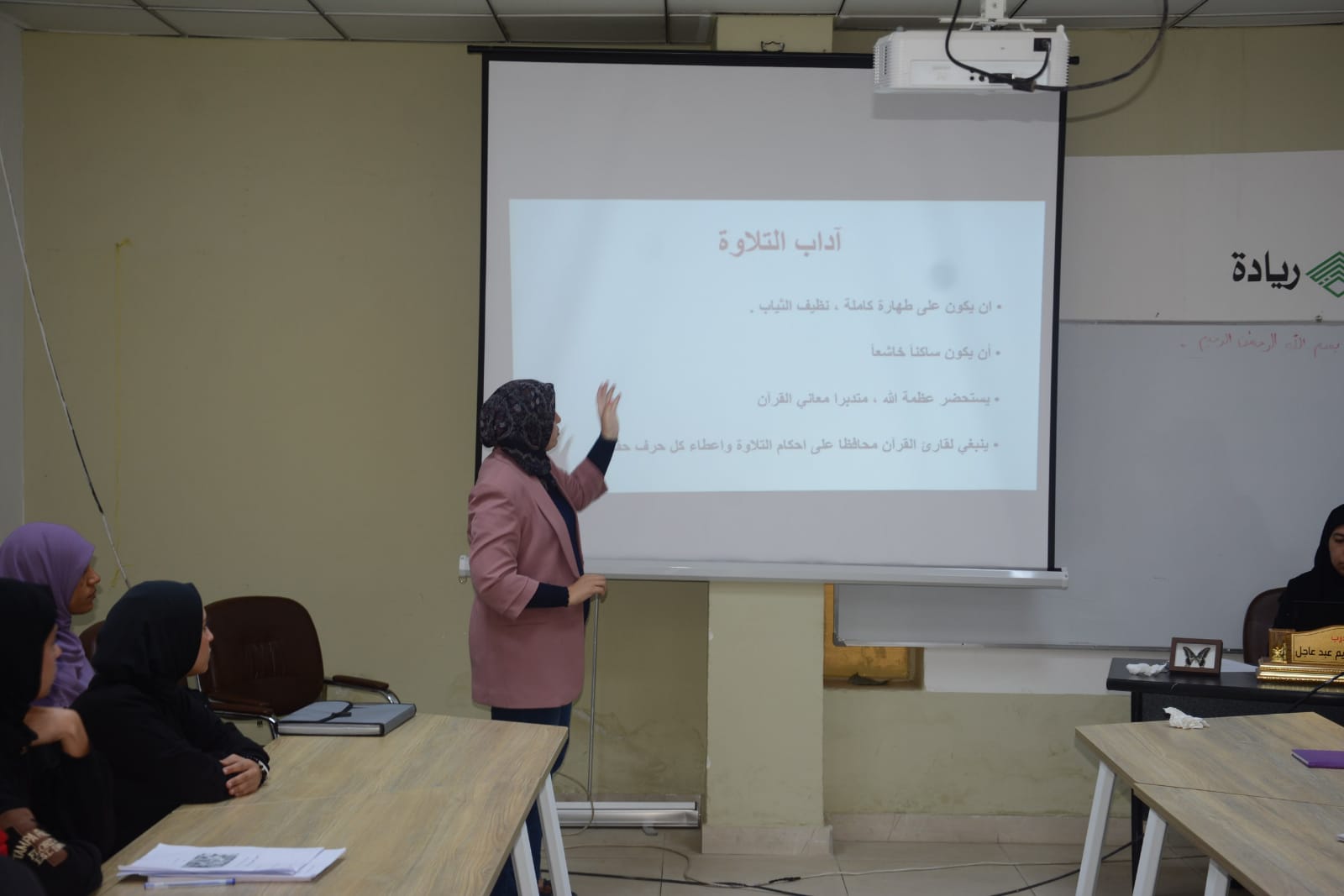
The course aimed to clarify the rules and etiquette of Qur’an recitation and to help participants avoid common mistakes during reading. The lecturers explained several etiquettes of recitation, including maintaining complete purification, wearing clean clothes, remaining calm and reverent, being mindful of the greatness of Allah, and reflecting on the meanings of the Qur’an. They emphasized the importance of adhering to the rules of tajwīd and giving each letter its proper articulation.
They also highlighted the rules of nun sākinah and tanwīn, such as iẓhār ḥalqī, idghām, ikhfā’, and iqlāb. For example, iẓhār ḥalqī involves clearly pronouncing the nun sākinah or tanwīn before the throat letters, as in the verse: {And they prevent [others] from him and are [themselves] remote from him. And they do not destroy except themselves, but they perceive [it] not}. The lecturers further explained the remaining tajwīd rules with practical examples.
At the end of the course, the instructors presented several recommendations, including encouraging students to recite the Qur’an regularly while observing the rules of tajwīd, promoting proper recitation etiquette, and organizing Qur’an recitation competitions among students.
This course contributes to achieving one of the Sustainable Development Goals, specifically Goal 4 (Quality Education).
The Continuing Education Unit at the College of Physical Education and Sport Sciences for Women, University of Baghdad, organized a training course titled (Qur’an Recitation and Completing It Electronically). The course was presented by Prof. Dr. Huda Abdul Samee’, Asst. Prof. Dr. Sura Ahmed Saleh, and Lect. Dr. Huda Shamil Hussein.
The course aimed to clarify the rules and etiquette of Qur’an recitation and to help participants avoid common mistakes during reading. The lecturers explained several etiquettes of recitation, including maintaining complete purification, wearing clean clothes, remaining calm and reverent, being mindful of the greatness of Allah, and reflecting on the meanings of the Qur’an. They emphasized the importance of adhering to the rules of tajwīd and giving each letter its proper articulation.
They also highlighted the rules of nun sākinah and tanwīn, such as iẓhār ḥalqī, idghām, ikhfā’, and iqlāb. For example, iẓhār ḥalqī involves clearly pronouncing the nun sākinah or tanwīn before the throat letters, as in the verse: {And they prevent [others] from him and are [themselves] remote from him. And they do not destroy except themselves, but they perceive [it] not}. The lecturers further explained the remaining tajwīd rules with practical examples.
At the end of the course, the instructors presented several recommendations, including encouraging students to recite the Qur’an regularly while observing the rules of tajwīd, promoting proper recitation etiquette, and organizing Qur’an recitation competitions among students.
This course contributes to achieving one of the Sustainable Development Goals, specifically Goal 4 (Quality Education).